Blog

  • A Better Workspace Is a Form of Recovery

    A Better Workspace Is a Form of Recovery

    Recovery usually sounds like something that happens after work: stretching, walking, sleeping, turning off notifications. Those things matter. But the workspace itself can either support recovery throughout the day or make recovery harder by constantly adding small strain.

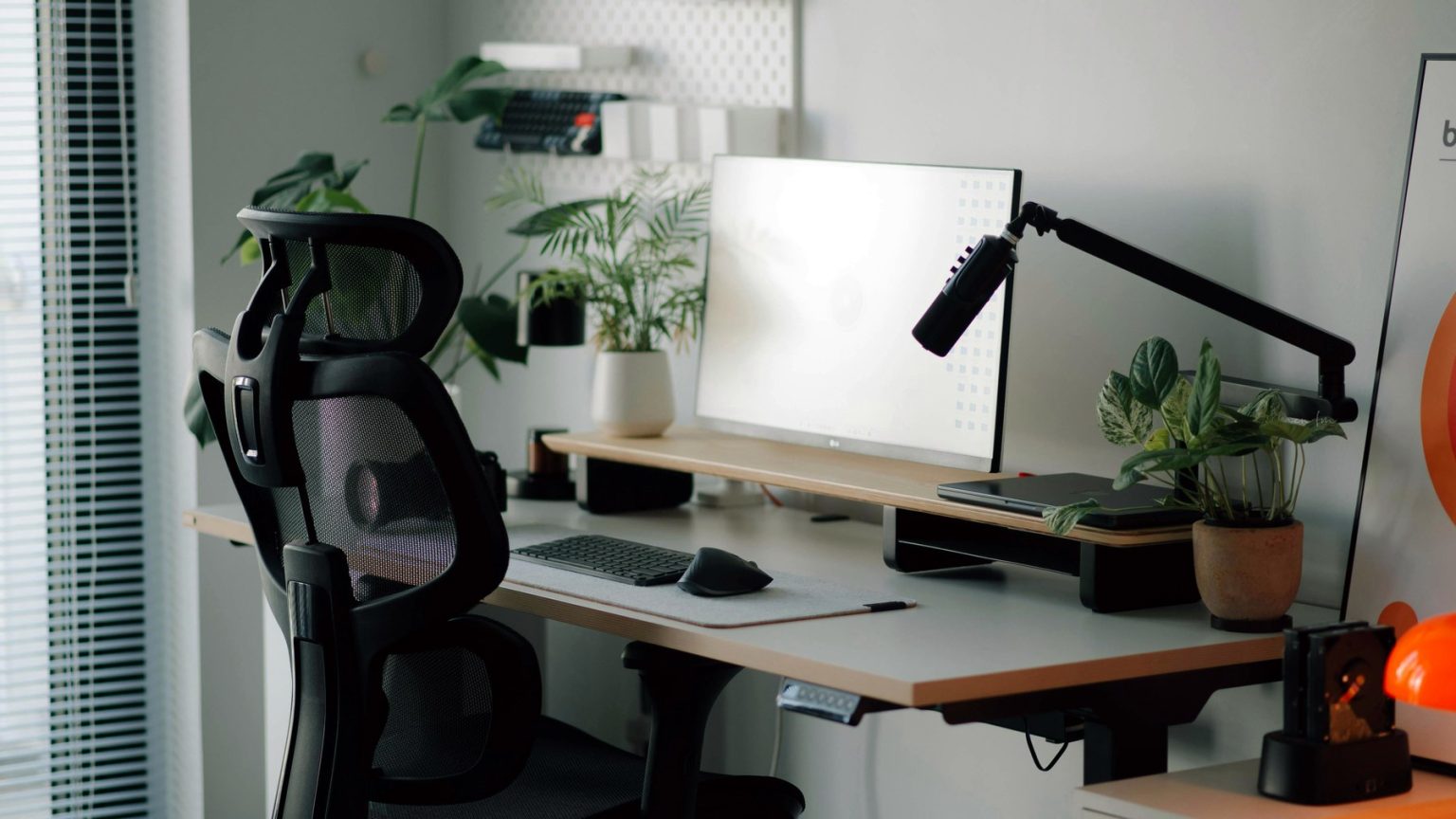
    A chair that supports you, a screen at the right height, light that does not tire your eyes, and tools that reduce repetitive tension can make the workday less physically loud. You still work. You still use effort. But the environment stops charging extra.

    Micro-recovery matters

    Between tasks, the body looks for a reset. You lean back after sending a difficult email. You stand during a call. You look away from the screen while thinking. A better workspace makes those resets easier. A poor one keeps you folded, reaching, squinting, or tense even during the pauses.

    This is why recline tension, standing presets, monitor position, and clear desk space matter. They are not only about productivity. They shape the body?s ability to release and return.

    Reduce the background load

    Stress is not only mental. Physical discomfort adds background load. When your neck is tight or your wrists ache, the day feels heavier. The body keeps asking for attention, even if you are trying to focus elsewhere.

    Modern ergonomic products can reduce that load when chosen well. A chair can support rest between bursts of focus. A footrest can stabilize posture. A monitor arm can reduce neck strain. A task light can soften eye fatigue. None of these is dramatic alone. Together, they change the texture of the day.

    Make comfort normal

    Many people treat comfort as a reward for finishing work. The better approach is to make comfort part of how work happens. That does not mean indulgence. It means respecting the body enough to stop designing against it.

    A better workspace is a form of recovery because it gives energy back in small amounts all day. It does not make work effortless. It makes work less punishing. That difference is worth building around.

  • Buying Ergonomic Products Without Falling for the Label

    Buying Ergonomic Products Without Falling for the Label

    The word ergonomic is useful, but it is also easy to abuse. It can mean carefully adjustable and body-aware. It can also mean slightly curved plastic with a confident product description. If you are building a better workspace, the label is only the beginning.

    Good ergonomic buying starts with the problem you are trying to solve. Neck strain, wrist discomfort, tired legs, back pressure, eye fatigue, and general restlessness can all point to different tools. Buying the most popular product without naming the problem is how people end up with expensive objects that do not actually help.

    Look for adjustability with purpose

    Adjustable features matter when they match real body differences. Chair height, seat depth, lumbar support, armrest height, monitor height, desk height, keyboard angle, and mouse shape can all affect comfort. But more settings are not automatically better if the product is hard to tune or if the important settings are missing.

    Ask simple questions. Can this chair support my lower back without pushing me forward? Can this desk reach a comfortable seated and standing height? Can this monitor arm hold my screen without sagging? Can this mouse fit my hand size and grip style?

    Beware of dramatic promises

    No product fixes a sedentary life by itself. A standing desk does not erase the need to move. A posture corrector does not redesign your workstation. A chair cannot compensate for a laptop screen that is always too low. The strongest products reduce friction and support better habits; they do not replace habits entirely.

    Reviews can be helpful, but look for reviewers whose body size, work style, and complaints resemble yours. A tall person and a shorter person may experience the same chair completely differently. A writer and a gamer may need different keyboard and mouse priorities.

    Buy for the daily pattern

    The right ergonomic product should make the repeated part of your day easier. That is the standard. Not novelty, not a feature checklist, not the most futuristic design. If the item reduces strain in a motion you perform constantly, it earns attention.

    Modern Ergonomic will eventually compare hundreds of products, but the principle stays the same: the best product is the one that fits the body, the room, and the routine. Start there, and the label becomes less important than the result.

  • The Ergonomic Home Office Should Feel Like a Room, Not a Workstation

    The Ergonomic Home Office Should Feel Like a Room, Not a Workstation

    The home office has a strange job. It has to support serious work, but it also lives inside your home. If it feels too much like an office, it can drain the room. If it feels too much like decor, it may fail your body. The best ergonomic home office sits between those worlds.

    Comfort is not only physical. A setup that looks chaotic can make work feel heavier before it begins. A setup that is beautiful but uncomfortable becomes a daily compromise. The goal is a room that supports focus without making your home feel invaded by work.

    Choose furniture with a second life

    Modern ergonomic furniture is finally becoming more residential. Chairs come in softer profiles. Desks are available in wood tones, clean laminates, and quieter frames. Storage can hide cables and accessories without turning the space into a filing cabinet.

    When possible, choose pieces that make sense after work ends. A chair should not look like it belongs only in a conference room. A desk should feel intentional in the room. A monitor arm, cable tray, and compact accessories can help the workspace disappear visually when the laptop closes.

    Light changes everything

    Lighting is one of the most underrated ergonomic categories. Poor light pushes you toward the screen, increases eye strain, and makes the room feel flat. Use natural light carefully, avoiding glare. Add a task light that lets you brighten paper or keyboard areas without blasting the whole room. Consider warmer ambient light late in the day.

    Good lighting supports both the eyes and the mood of the room. It makes the workspace feel cared for, which can make work feel less harsh.

    Design the end of the day

    A home office should have a way to close. That might mean a drawer for the keyboard, a tray for notebooks, a cable system that keeps the surface clear, or a ritual of lowering the standing desk and turning off the task light. These details matter because your home should not keep shouting work at you.

    An ergonomic home office is not a showroom. It is a room that lets you work well and return to yourself afterward. The best setup supports both parts.

  • Small Desk Accessories That Change How Work Feels

    Small Desk Accessories That Change How Work Feels

    Not every ergonomic improvement needs to be a chair or a desk. Sometimes the most meaningful change is small enough to fit in one hand. A laptop stand, vertical mouse, footrest, monitor arm, wrist rest, task light, or cable tray can change the way work feels because it changes the points of daily contact.

    Small accessories are useful because they solve specific problems. They also let you improve a setup gradually. You do not have to rebuild the entire room to reduce strain. You can notice one recurring annoyance and choose the tool that answers it.

    Find the bottleneck first

    If your neck hurts, look at screen height before buying a new chair. If your wrist feels strained, look at mouse shape and desk height. If your feet do not reach the floor comfortably, a footrest may improve your hips, back, and shoulders by giving the body a stable base.

    The right accessory often feels obvious after you identify the problem. A laptop stand solves low-screen posture. A monitor arm solves fixed screen position and desk clutter. A vertical mouse can reduce forearm rotation. A task light reduces squinting and screen brightness battles. A footrest supports shorter users or high desks.

    Small should still be well made

    Cheap accessories can help, but flimsy ones create new frustration. A laptop stand should be stable. A footrest should not slide away. A mouse should fit your hand, not just look ergonomic in a product photo. A desk mat should support movement rather than become a sticky obstacle.

    Modern ergonomic accessories are getting better because they combine function with materials you can live with: aluminum, felt, wood, soft-touch finishes, quiet mechanisms, and colors that do not scream office supply closet.

    Build a system, not a collection

    Accessories work best together. A laptop stand needs an external keyboard and mouse. A monitor arm may reveal that your lighting needs adjustment. A standing desk mat matters only if the rest of the standing setup is comfortable. Each piece should support the whole posture chain.

    Start with the smallest repeat problem. Fix it cleanly. Then notice what changes. Ergonomics becomes less overwhelming when it is treated as a series of thoughtful upgrades rather than one perfect shopping list.

  • The Case for a Standing Desk That You Actually Use

    The Case for a Standing Desk That You Actually Use

    A standing desk sounds like a clean solution: sit less, feel better. In practice, many people buy one, stand enthusiastically for a week, then use it like a normal desk with extra buttons. The problem is not the idea. The problem is treating standing as the goal.

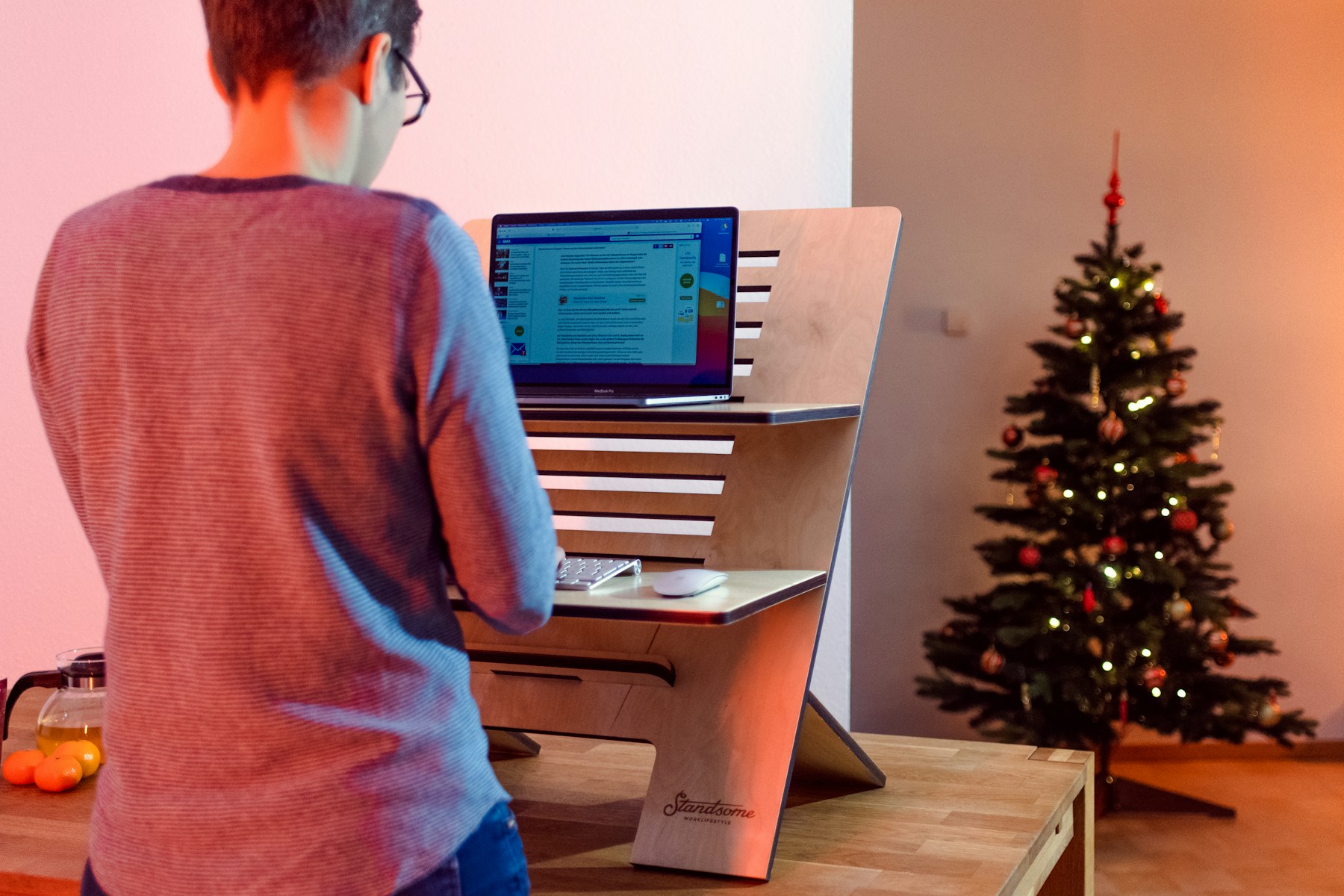
    The real value of a sit-stand desk is movement. It gives you another position. It lets you interrupt long sitting without leaving the work completely. It helps you shift energy during calls, reading, brainstorming, and admin tasks. Used well, it expands the day instead of replacing one static posture with another.

    Standing still is still still

    Standing for hours without movement can create its own discomfort: tired feet, locked knees, lower back tension, and shifting weight from side to side. A standing desk works best when paired with small habits. Change height before you feel stiff. Use a mat. Wear comfortable shoes or stand barefoot if that works for your space. Move while you think.

    Some tasks fit standing better than others. Calls, quick reviews, planning, and reading often feel natural upright. Deep typing work may still be better seated for many people. Let the work decide the posture instead of forcing a rule.

    Make the transition effortless

    If raising the desk is annoying, you will stop doing it. Memory presets help because they remove friction. Cable management matters because tangled cords make height changes feel risky. A monitor arm can keep screen height correct in both positions. A keyboard tray or adjustable chair may be necessary if the sitting height is not right.

    The best standing desk setup is boringly easy to change. One button, stable surface, everything still aligned. That simplicity is what turns the desk from a gadget into a habit.

    Use it as a rhythm tool

    Instead of asking ?How many hours should I stand?? try asking ?When does my body need a new shape?? Stand for a morning meeting. Sit for focused writing. Stand again after lunch. Walk for five minutes before returning. The desk becomes part of a wider rhythm of attention and recovery.

    A standing desk is worth it when it helps you move more naturally through the day. Not more heroically. Not more performatively. Just more often, with less friction.

  • Why Your Neck Hurts Before the Workday Is Over

    Why Your Neck Hurts Before the Workday Is Over

    Neck pain at a desk can feel mysterious because nothing dramatic happens. You sit down, answer messages, look at a screen, and a few hours later the base of your skull feels tight. The cause is usually not one terrible movement. It is a collection of small positions repeated long enough to become a problem.

    The most common culprit is screen height. Laptops are convenient because the screen and keyboard travel together, but that convenience creates a design conflict. If the keyboard is low enough for comfortable typing, the screen is usually too low for comfortable viewing. If the screen is high enough, the keyboard is too high. The neck often pays the difference.

    Forward head posture is a setup problem

    When the screen sits too low or too far away, the head drifts forward. That position increases demand on the muscles that support the neck and upper back. Add a few hours, a little stress, and a phone check every few minutes, and the strain becomes predictable.

    The fix starts with bringing the screen to eye level. A laptop stand plus an external keyboard and mouse can make a bigger difference than many expensive accessories. For desktop monitors, a monitor arm or sturdy riser can help place the display at the right height and distance.

    Shoulders tell the same story

    Neck pain often travels with shoulder tension. If your keyboard is too far away, your arms reach. If your mouse is too high, your shoulder lifts. If your chair lacks support, your upper back rounds and your head follows. These small changes stack.

    Try arranging your keyboard and mouse so your elbows stay near your sides. Keep wrists neutral and shoulders easy. If the desk height is wrong, adjust chair height and support your feet. The neck rarely improves if the rest of the setup keeps asking for strain.

    Build in relief before pain arrives

    Do not wait for the afternoon ache to remind you to move. Schedule tiny resets: stand, look across the room, roll the shoulders, gently tuck the chin, and change position. A good setup reduces strain, but movement keeps the system alive.

    Neck pain is information. It is your body describing the workspace in physical terms. Listen early, adjust the tools, and the day can feel less like something you have to recover from.

  • Ergonomics Got Better When It Stopped Looking Like a Cubicle

    Ergonomics Got Better When It Stopped Looking Like a Cubicle

    For a long time, ergonomic products had a certain look: bulky, gray, technical, and vaguely medical. They promised support, but they rarely promised delight. You could have comfort or you could have a beautiful room, and many people quietly chose the room.

    That tradeoff is fading. The modern ergonomic category is becoming more interesting because it respects both the body and the eye. Chairs look less like equipment. Desk accessories are slimmer and smarter. Standing desks feel more like furniture. Lighting, monitor arms, footrests, and keyboards are being designed for actual homes, not only office procurement catalogs.

    Comfort no longer has to announce itself

    The best new ergonomic pieces often disappear into a space. A monitor arm clears the desk while improving screen height. A compact keyboard reduces shoulder reach without turning the desk into a command center. A footrest can look like a small object of furniture rather than a plastic afterthought.

    This matters because people keep using things they enjoy living with. A product that technically supports you but feels ugly or awkward may eventually get shoved aside. A product that fits your space has a better chance of becoming part of the daily rhythm.

    Modern means adaptable

    Modern ergonomics is less about one correct answer and more about adjustability. Bodies vary. Work changes. A setup that feels right in the morning may need to shift by late afternoon. The strongest products create options: height changes, tilt, reach, resistance, modular positions, and easy transitions between sitting and standing.

    That adaptability is especially important now that many workspaces are hybrid. The same desk may support paid work, side projects, reading, gaming, school, and bills. Ergonomic design has to be flexible enough for real life.

    The future is warmer

    The most exciting ergonomic products are not trying to make us into office machines. They are trying to make work feel less extractive. Better lighting reduces strain. Better seating lowers the background tension. Better accessories make movement easier and repetition gentler.

    That is the promise of modern ergonomics: products that care about performance without forgetting comfort, beauty, and daily use. It is not about turning your home into an office. It is about making the places where you work feel more humane.

  • The Desk Setup That Stops Fighting You

    The Desk Setup That Stops Fighting You

    A workspace can look beautiful and still be physically annoying. The laptop is too low. The mouse is just far enough away to pull your shoulder forward. The monitor stand looks good in photos but places the screen at the wrong height. The desk is tidy, yet the body knows something is off.

    The best modern desk setup is not staged for a photo. It is arranged around repeated movement. Every item you touch dozens or hundreds of times a day should earn its position. When the basics are right, the setup feels calm because it stops demanding compensation.

    Start with the screen

    Your eyes should meet the upper third of your main display without the neck folding down or craning up. For laptop users, this usually means adding a stand and using a separate keyboard and mouse. That one change can transform the entire posture of the day because it separates viewing from typing.

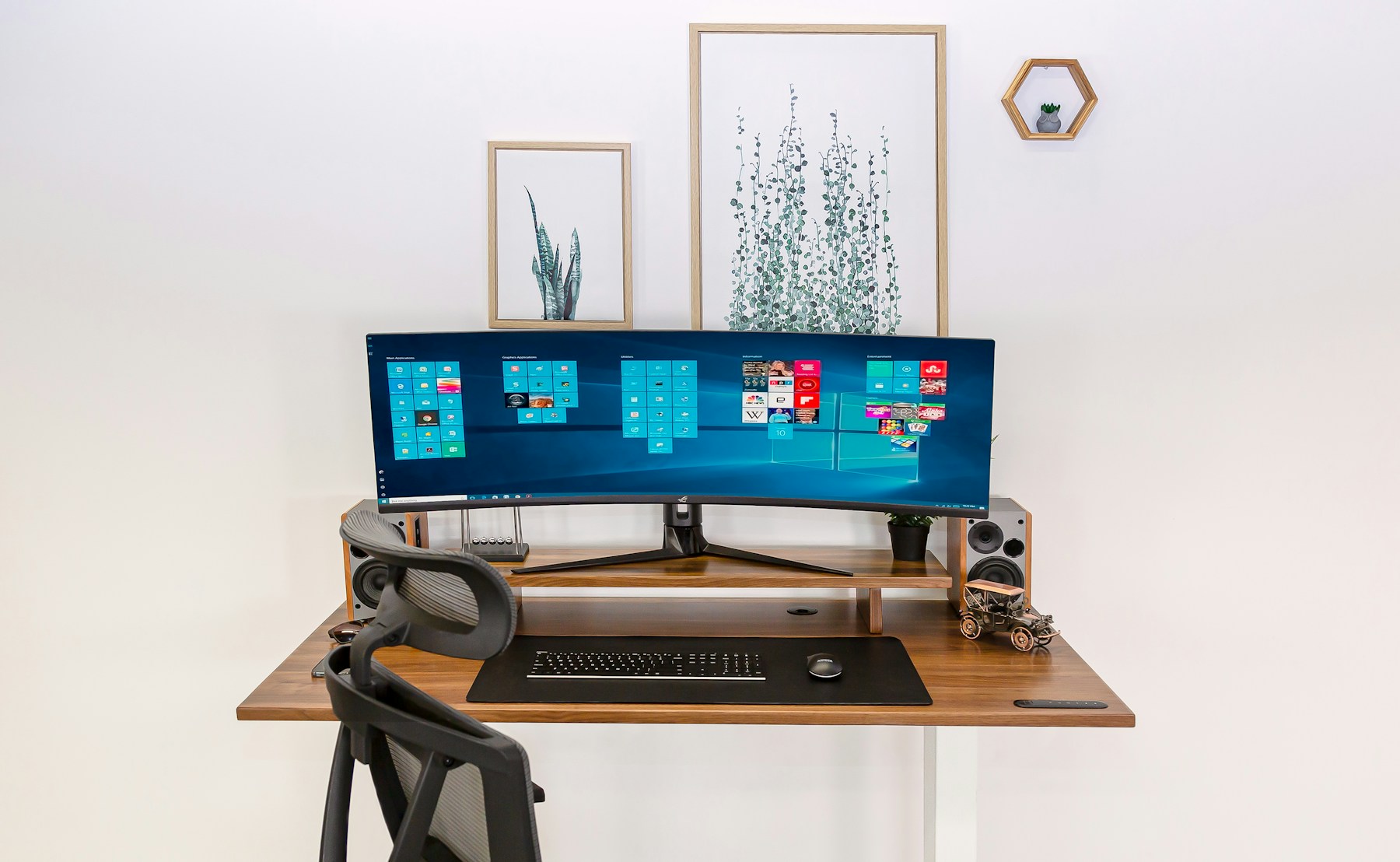
    If you use multiple monitors, place the primary screen directly in front of you. Side monitors are useful, but the main work should not require a permanent neck turn. A monitor arm can be one of the highest-value upgrades because it makes height, depth, and angle adjustable without clutter.

    Bring tools closer

    Keyboard and mouse placement should let your elbows stay close to your body and your shoulders relax. If you are reaching forward, the desk is taking more from you than it should. Compact keyboards, trackballs, vertical mice, and split keyboards can all be useful depending on your body and work style.

    Do not underestimate the surface itself. A desk that is too high pushes the shoulders up. A desk that is too low rounds the back. If the desk cannot change, adjust the chair and add a footrest. Ergonomics is often a chain reaction: fix one height and the next problem becomes obvious.

    Design for resets

    A good setup should invite movement. Leave room to push the keyboard away and read. Keep a water bottle within reach. Use a small standing mat if you have a sit-stand desk. Put the things you need often close by and the things you rarely use out of the primary zone.

    The goal is not a perfect desk. It is a desk that supports the work without constantly pulling your body into awkward choices. When your setup stops fighting you, focus has a smoother place to land.

  • Posture Is More Than Standing Up Straight

    Posture Is More Than Standing Up Straight

    Posture has been marketed as a command: sit up straight, pull your shoulders back, hold the position. That advice sounds simple, but it misses the more interesting reality. Posture is not one rigid shape. It is how your body organizes itself while you do something else.

    When your screen is too low, your neck reaches forward. When your keyboard is too far away, your shoulders work harder than they should. When your feet dangle, your lower back compensates. Over time, these tiny adaptations become your default. You do not choose them so much as inherit them from your environment.

    Your body and attention are linked

    Physical position can influence how you feel during the day. A collapsed posture can make breathing shallower. Raised shoulders can keep the nervous system on alert. A twisted desk setup can create a subtle sense of strain that follows you from task to task. This does not mean posture magically controls mood, but it does mean the body is part of the emotional atmosphere of work.

    Better posture is often less about discipline and more about design. Raise the screen so your eyes meet it naturally. Bring the keyboard and mouse close enough that your elbows can rest near your sides. Use a chair that supports the lower back without forcing the chest forward. Give your feet a firm surface. These changes make a calmer posture easier to return to.

    Movement beats perfection

    The most useful posture is the next one. Even a technically ?correct? position becomes tiring if you hold it for too long. Modern ergonomic thinking encourages position changes: sitting, standing, leaning back, stretching, walking, and resetting. A height-adjustable desk, a footrest, or a supportive chair can all help create more options.

    Instead of chasing a perfect pose, notice repeat patterns. Do you crane toward your laptop? Do you tuck one leg under yourself because your seat height is wrong? Do you shrug while typing? These are clues, not failures. They tell you what your workspace is asking your body to do.

    Posture as kindness, not correction

    The point is not to police yourself. The point is to make the healthy choice feel natural. A well-arranged workspace lets your body settle without constant instruction. It gives you more breath, less tension, and a clearer path back into focus.

    Posture matters because you live inside it all day. Treat it as feedback from your environment, and it becomes something you can improve with curiosity instead of guilt.

  • Your Chair Is Quietly Shaping Your Day

    Your Chair Is Quietly Shaping Your Day

    Most people notice a bad chair only when it starts hurting. The sharper truth is that a chair can shape your day long before pain announces itself. It can change how often you shift, how deeply you breathe, how quickly you lose focus, and how much energy you have left when the work is technically finished.

    A modern ergonomic chair is not supposed to force you into one perfect pose. That idea is outdated. The body does not want to be locked into a diagram. It wants support, movement, and enough adjustability that your desk stops arguing with your spine. The best chair quietly makes good posture easier while still letting you move like a person.

    The small drain you stop noticing

    Discomfort is expensive because it is repetitive. A chair that is too deep makes you perch at the edge. A seat that is too low asks your hips and knees to fold awkwardly. Armrests that sit too high raise your shoulders for hours. None of these problems needs to feel dramatic in the moment. Together, they create a background tax on attention.

    That tax shows up as fidgeting, shallow concentration, neck tightness, and the oddly specific feeling of being tired while not having done anything physically demanding. This is why the right chair can feel less like a purchase and more like a release. It removes friction you had already normalized.

    Support should follow the work

    Your chair should serve different modes: deep focus, video calls, casual reading, quick notes, and moments when you lean back to think. Look for adjustable lumbar support, seat height that lets your feet rest flat, enough seat depth for thigh support without pressure behind the knees, and armrests that support relaxed shoulders rather than lifted ones.

    Materials matter too. Breathable mesh can be excellent for long hours. Cushioned seats can feel warmer and more residential. A headrest may be useful if you recline often, but unnecessary if you mostly sit upright. Modern ergonomics is not about buying the chair with the longest feature list. It is about matching the chair to your actual habits.

    The real goal is less awareness

    The best ergonomic upgrade often becomes invisible. You stop thinking about your lower back. You stop rolling your shoulders every ten minutes. You stop negotiating with your furniture. That invisibility is the point.

    If you are building a better workspace, begin with the object that touches you the most. A good chair will not fix every work problem, but it can give your body one less fight to manage. That is a practical kind of luxury: comfort that turns into attention.